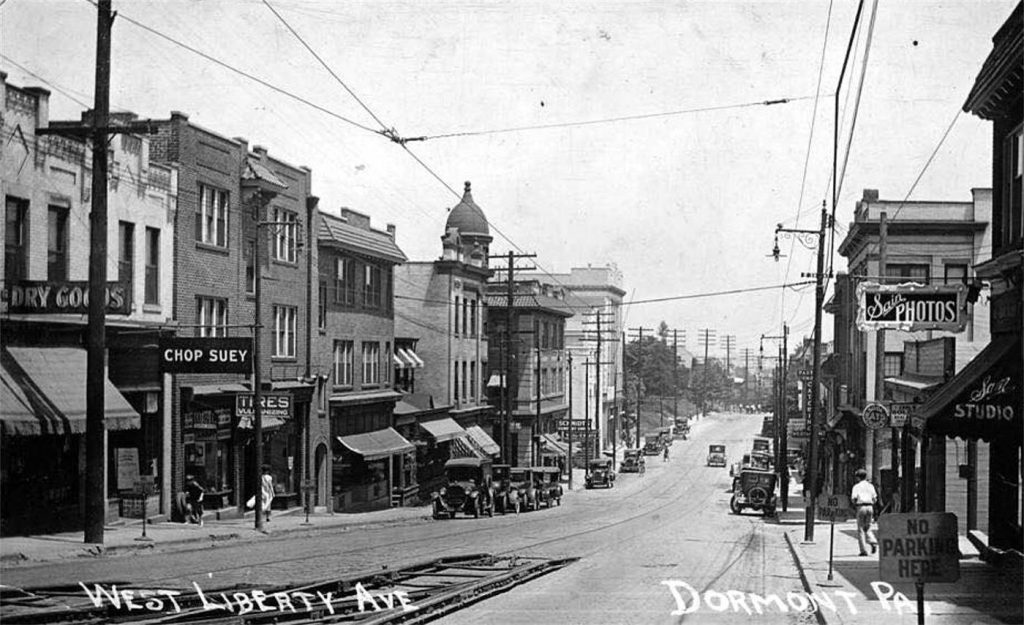
The Evolution of Public Transport in Pittsburgh: From Trolleys to Buses
Pittsburgh, a city known for its steel bridges and vibrant neighborhoods, has a rich history in public transportation that reflects its growth and transformation over the years. From the clanging of trolleys to the hum of modern buses, Pittsburgh’s transit system has evolved significantly, shaping the city’s landscape and the daily lives of its residents. In this blog post, we’ll take a journey through time to explore how public transport in Pittsburgh has developed and what the future holds.
Table of Contents
1. The Rise of the Trolley System ?
2. The Shift to Buses ?
3. Modern-Day Public Transport in Pittsburgh
4. The Future of Public Transit in Pittsburgh
5. Conclusion
6. FAQs
The Rise of the Trolley System ?
In the late 19th century, Pittsburgh’s public transportation was dominated by horse-drawn carriages and later, steam-powered streetcars. However, the real revolution came with the introduction of electric trolleys in the 1880s. These trolleys, operated by companies like the Pittsburgh Railways Company, quickly became the backbone of the city’s transport network.
The electric trolley system facilitated the rapid expansion of Pittsburgh, connecting downtown with burgeoning neighborhoods. With over 600 miles of track at its peak, the trolley system was not only extensive but also a lifeline for many Pittsburghers, making daily commutes and cross-city travel more accessible than ever before.
The Shift to Buses ?
As the city grew, so did the need for a more flexible and scalable public transit solution. Enter the buses. In the mid-20th century, Pittsburgh began transitioning from trolleys to buses, a move driven by the rising costs of maintaining trolley infrastructure and the increasing popularity of automobiles.
The Port Authority of Allegheny County, established in 1964, played a pivotal role in this transition. By consolidating various transportation services under one umbrella, the Port Authority streamlined operations and introduced a unified bus network that could navigate the city’s hilly terrain and narrow streets more efficiently than trolleys ever could.
Modern-Day Public Transport in Pittsburgh
Today, Pittsburgh’s public transportation is a complex network of buses and light rail services, catering to a diverse population. The Port Authority continues to operate a comprehensive system that includes the popular “T” light rail, which services areas like the South Hills and downtown Pittsburgh.
With advancements in technology, Pittsburgh has also embraced digital solutions to improve the commuter experience. Mobile apps and real-time tracking systems have made public transport more accessible and user-friendly, reflecting the city’s commitment to innovation and sustainability.
The Future of Public Transit in Pittsburgh
Looking ahead, Pittsburgh is poised for further transformation in its public transport sector. Plans for expanding the light rail system and introducing electric buses are already underway, aiming to reduce carbon emissions and enhance connectivity across the city.
Moreover, initiatives like bike-sharing programs and pedestrian-friendly infrastructure are being integrated into the city’s transit planning, ensuring a holistic approach to urban mobility that benefits both the environment and the residents.
Conclusion
The evolution of public transport in Pittsburgh is a testament to the city’s adaptability and forward-thinking mindset. From the nostalgic charm of trolleys to the modern efficiency of buses, each phase in this journey has played a critical role in shaping Pittsburgh’s identity. As the city continues to grow and evolve, its public transportation system remains a vital component of everyday life, promising a future that’s more connected and sustainable.
FAQs
Q: When did Pittsburgh’s trolley system peak?
A: The trolley system in Pittsburgh peaked in the early 20th century, with over 600 miles of track.
Q: What is the “T” in Pittsburgh?
A: The “T” is Pittsburgh’s light rail system, operated by the Port Authority, serving key areas like the South Hills and downtown.
Q: Are there plans to expand public transit in Pittsburgh?
A: Yes, Pittsburgh plans to expand its light rail system and introduce more electric buses as part of its commitment to sustainable transit solutions.
Whether you’re a resident or a visitor, understanding the history and future of public transport in Pittsburgh can enrich your experience of this dynamic city. As the Steel City continues to forge ahead, its public transportation will undoubtedly remain a cornerstone of its progress and innovation. ?