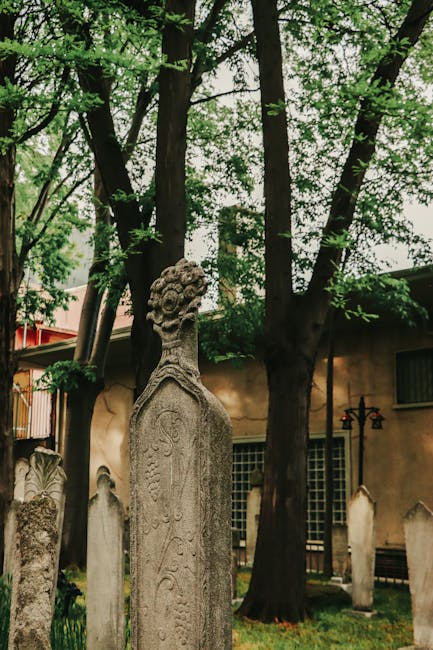
Pittsburgh’s Most Historic Cemeteries: A Journey Through Time
Pittsburgh, a city known for its steel roots and vibrant culture, is also home to some of the most historic cemeteries in the United States. These cemeteries offer a unique glimpse into the past, showcasing the stories of notable figures, stunning architecture, and the rich history of the region. Whether you’re a history buff, a genealogy enthusiast, or simply someone who appreciates serene landscapes, Pittsburgh’s cemeteries have something to offer.
The Significance of Cemeteries in Pittsburgh’s History
Cemeteries in Pittsburgh are more than just resting places for the deceased; they are historical landmarks that reflect the city’s evolution over the years. From the early settlers to industrial magnates, the cemeteries capture the essence of the city’s transformation. They serve as a testament to the diverse cultural and historical tapestry that makes Pittsburgh unique.
Allegheny Cemetery: A Victorian Marvel
Established in 1844, Allegheny Cemetery is one of the oldest rural cemeteries in America. Spanning over 300 acres, it is the final resting place of many famous individuals, including industrialist Thomas Mellon and jazz legend Earl Hines.
Visitors can explore the cemetery’s Victorian-style architecture and beautifully landscaped grounds. The cemetery’s Gothic Revival chapel, designed by renowned architect John Chislett, is a must-see.
Homewood Cemetery: A Glimpse into Pittsburgh’s Elite
Founded in 1878, Homewood Cemetery is an elegant space that serves as a monument to Pittsburgh’s industrial elite. It is the burial site of Henry Clay Frick, one of the wealthiest men of his time, and other influential families.
Homewood Cemetery is known for its stunning mausoleums and intricate sculptures, making it a popular spot for those interested in funerary art and architecture.
South Side Cemetery: A Tribute to the Working Class
Unlike the grandiose cemeteries of the elite, South Side Cemetery offers a more humble yet equally significant glimpse into Pittsburgh’s past. Established in 1869, it serves as a testament to the city’s hardworking immigrant population.
Visitors will find the graves of many veterans and blue-collar workers, reflecting the strong community spirit that has long been a part of Pittsburgh’s identity.
Modern-Day Relevance and Preservation Efforts
Preserving these historic cemeteries is crucial for maintaining Pittsburgh’s cultural heritage. Organizations and local communities are actively involved in restoration projects, ensuring that future generations can continue to explore and appreciate these sites.
For those interested in contributing to preservation efforts, volunteering or donating to local historical societies can make a significant impact.
Guided Tours and Educational Opportunities
Many of Pittsburgh’s cemeteries offer guided tours and educational programs that delve into the historical significance of the sites. These tours provide a comprehensive understanding of the individuals buried there and their contributions to the city’s development.
Participating in these tours is an excellent way to learn more about Pittsburgh’s history while supporting the maintenance and preservation of these important landmarks.
Actionable Tips for Visiting Pittsburgh’s Historic Cemeteries
Planning a visit to Pittsburgh’s historic cemeteries? Here are some tips to enhance your experience:
- Research ahead: Learn about the cemetery’s history and notable figures buried there to fully appreciate your visit.
- Respect the site: Remember that cemeteries are sacred spaces. Keep noise to a minimum and follow any posted guidelines.
- Consider taking a guided tour: These tours provide valuable insights and stories that you might miss on a self-guided visit.
- Bring a camera: Capture the stunning architecture and serene landscapes, but be mindful of privacy and sensitivity.
- Support preservation efforts: Consider making a donation to help maintain and restore these historical sites.
Conclusion: A Journey Worth Taking
Pittsburgh’s historic cemeteries offer a unique opportunity to connect with the past and appreciate the rich history of the region. From the grandiose monuments of Allegheny Cemetery to the humble graves of South Side Cemetery, each site tells a story that contributes to the tapestry of Pittsburgh’s cultural heritage.
Whether you’re a local resident or a visitor exploring the city, taking the time to visit these cemeteries can be a rewarding and enlightening experience. By supporting preservation efforts and participating in educational programs, you can help ensure that these historical landmarks continue to be cherished and protected for generations to come.
