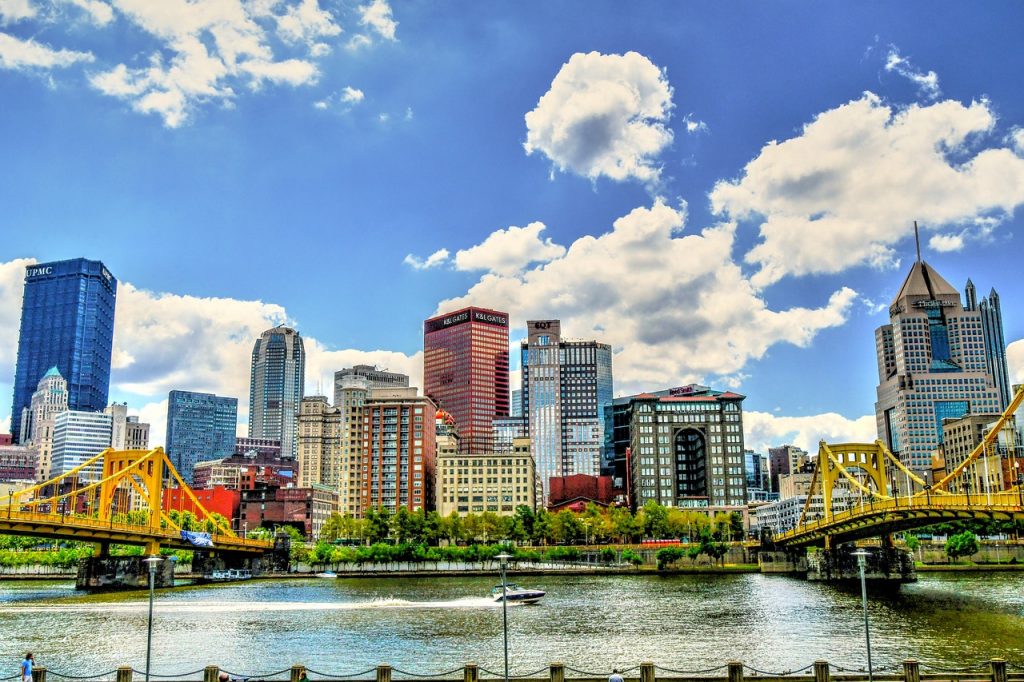
Pittsburgh is one of America’s greatest success stories. The city topped the most livable city rankings in the United States from 2005 to 2018. An impressive 446 bridges connect this historic Steel City that has changed into a bustling metropolitan hub with 302,971 residents.
The city masterfully blends its industrial roots with modern breakthroughs. Ten Fortune 500 companies and 68 colleges and universities call Pittsburgh home. The city’s world-class restaurants, breathtaking views, and dynamic neighborhoods make it special. Museums showcase rich culture while passionate sports fans bring incredible energy to every game. In this piece, you’ll learn what makes Pittsburgh truly stand out among America’s great cities.
Why Pittsburgh Tops America’s Most Livable Cities
Recent studies place Pittsburgh among America’s most livable cities. The Economist ranks it as the third most livable city in the United States. The city earned this recognition through its exceptional quality of life, affordable living costs, and outstanding healthcare services.
Quality of life metrics
Pittsburgh’s quality of life shines through its diverse offerings and community strengths. The city leads in amenities, economy, and health. On top of that, it boasts more than 90 unique neighborhoods, each with its own character and charm. The city’s dedication to education shows in its prestigious institutions. Carnegie Mellon University and the University of Pittsburgh encourage a thriving intellectual community and spark new ideas.
Cost of living benefits
Living in Pittsburgh costs less than other major cities. Residents spend 8.2% less than the national average. Housing costs are particularly attractive – 31% below the national average. Here’s what makes Pittsburgh a smart financial choice:
- Home prices average $208,000 – 45% lower than the national median
- Healthcare costs run 8% below the U.S. average
- Simple utilities cost $226.90 for a 915-sq. ft. apartment
Healthcare excellence
Pittsburgh’s healthcare system is the life-blood of its livability. The city ranks 13th nationally for healthcare quality. UPMC stands out as one of the top integrated healthcare systems worldwide. The network runs over 40 hospitals and 800 outpatient sites with more than 90,000 team members.
Healthcare powers much of the economic growth here. The sector employs over 200,000 people in hospitals, clinics, biotech firms, and universities. UPMC invests more than $600 million yearly in research and development. This investment leads to breakthroughs in minimally invasive robotic surgeries and precision medicine. World-class facilities like UPMC Presbyterian Shadyside, Allegheny General Hospital, and UPMC Children’s Hospital of Pittsburgh provide complete medical care.
Best Pittsburgh Neighborhoods to Explore
Pittsburgh has 90 neighborhoods, and each one tells its own story. Some areas really stand out as places you need to visit. The city’s diverse character shines through these neighborhoods that range from cultural centers to exciting nightlife destinations.
Squirrel Hill: Cultural hub
Squirrel Hill is the place to go for international dining in Pittsburgh. The action happens around Forbes and Murray Avenues. The city’s largest Jewish community calls this neighborhood home, creating an array of cultural experiences. You’ll spot plenty of Asian restaurants, cozy local cafes, and the beloved Manor movie theater. The neighborhood sits between Frick and Schenley Parks, which gives residents the best of city life and green spaces.
Lawrenceville: Hip and historic
Lawrenceville has changed from its industrial roots to become Pittsburgh’s creative heart. The neighborhood runs from 33rd to 57th Street along Butler Street and packs in great dining, shopping, and entertainment. It might have a hipster vibe, but Lawrenceville keeps its historic charm alive through spots like Arsenal Bowl, which used to be a foundry. Pittsburgh’s first cidery and many craft breweries have made this area a favorite among drink enthusiasts.
South Side: Nightlife central
South Side Flats comes alive along East Carson Street, a 21-block stretch that’s earned its place as a National Historic District. Beautiful Victorian architecture stands alongside Pittsburgh’s most popular nightlife spots. You’ll discover gems like Carmella’s with its craft cocktails and changing menus, and Streets on Carson serves up unique food surrounded by local art. The area keeps changing as old industrial spaces become luxury condos and new breweries.
Shadyside: Shopping paradise
Walnut Street is Shadyside’s main attraction, with three blocks that make up Pittsburgh’s best shopping district. You’ll find Pittsburgh favorites like Pamela’s Diner right next to modern stores like Apple and Lululemon. The neighborhood’s charm goes beyond the main drag, with local businesses like Petagogy on Ellsworth Avenue adding their own special touch. Young professionals love this sophisticated mix of upscale boutiques and specialty stores.
Must-Visit Pittsburgh Museums
Pittsburgh’s world-class museums are a paradise for art lovers and culture enthusiasts. These amazing institutions house some of North America’s most important collections, ranging from contemporary masterpieces to prehistoric wonders.
Andy Warhol Museum highlights
North America’s largest single-artist museum stands proudly on Pittsburgh’s North Side. The seven-story Andy Warhol Museum is home to the world’s largest collection of Warhol’s artworks and archival materials.
The museum welcomes visitors Wednesday through Monday, 10 a.m. to 5 p.m., and stays open until 10 p.m. on Fridays. Visitors can enjoy:
- Daily film screenings and gallery talks
- The “Fifteen Minutes Eternal” documentary about Warhol’s life
- Thematic museum tours by staff or Donald Warhola, Warhol’s nephew
The museum makes art available to everyone with half-price admission during “Good Fridays” after 5 p.m. Guests can visit The Warhol Store and Café throughout museum hours.
Carnegie Museums experience
Two world-class institutions share one roof at the Carnegie Museums. The Carnegie Museum of Art ranks among America’s most vibrant art institutions. It showcases contemporary works, architecture, photography, and design from the 19th century to today.
The museum houses over 34,000 artworks. You’ll find an amazing archive of more than 70,000 images by Pittsburgh photographer Charles “Teenie” Harris that document Black life in America. Special exhibitions rotate regularly, with “Gertrude Abercrombie: The Whole World Is a Mystery” running through June 1, 2025.
The Carnegie Museum of Natural History boasts one of the world’s best dinosaur collections. More than 230 real fossils come to life in dramatic environmental reconstructions. The museum features several must-see attractions:
- The stunning Hillman Hall of Minerals and Gems
- Halls of North American and African Wildlife
- The Alcoa Foundation Hall of American Indians
- The Walton Hall of Ancient Egypt
Visitors should book their tickets online in advance. One ticket lets you explore both museums, making it a great value. Museum membership gives you year-round access to all four Carnegie Museums, plus member-only events and special discounts at museum stores and cafés.
Top Pittsburgh Restaurants by Area
Pittsburgh’s culinary landscape blends historic food markets with modern dining concepts to create an exciting mix of traditional and contemporary flavors.
Strip District food spots
The Strip District is the life-blood of Pittsburgh’s food scene and home to the city’s most beloved eateries. Bar Marco occupies a former firehouse and has become central to Pittsburgh’s restaurant revival. They offer a no-tip dining experience with a two-course menu priced at $45. The restaurant combines Italian cuisine with an extensive collection of amari and craft cocktails.
DiAnoia’s Eatery has built its name through homemade pasta and authentic Italian dishes. Eleven creates critically acclaimed fine dining experiences with modern American cuisine. Food lovers can find international flavors at Lucy’s Bánh Mì, which serves authentic Vietnamese sandwiches near Bar Marco.
The Strip District’s culinary offerings include these notable specialties:
- Wholey’s features Andy’s Sushi Bar, which serves some of the freshest sashimi and nigiri in Pittsburgh
- Pamela’s Diner attracts crowds with their world-famous Crepe Style Pancakes
- Jimmy & Nino Sunseri Co. makes legendary pepperoni rolls stuffed with mozzarella and provolone
Downtown dining gems
Downtown Pittsburgh’s dining scene shines with innovative concepts and upscale experiences, especially when you have spots like Gi-Jin. This intimate downtown location excels at raw fish preparation and serves some of the city’s best nigiri alongside unique hand rolls. Their drink menu showcases an impressive selection of sake and gin that’s rare in Pittsburgh.
Con Alma has become a favorite spot for pre- and post-show entertainment that captures Pittsburgh’s jazz era heritage. Live music plays seven nights a week, complemented by Mediterranean-influenced dishes like roasted whole branzino.
Cafe Momentum combines exceptional meals with a greater purpose by providing valuable opportunities to at-risk youth through 12-month paid internships. The menu highlights signature dishes such as smoked and fried chicken and red snapper with squid ink. The restaurant runs successful branches in Dallas and Nashville, notwithstanding that its steadfast dedication to social justice through workplace initiatives remains strong.
Best Views of Pittsburgh
Pittsburgh’s skyline looks amazing from several spots where the three rivers meet. Each viewpoint tells a different story of the city’s architectural development and natural charm.
Mount Washington overlooks
Mount Washington stands 450 feet above the city and gives you Pittsburgh’s most photographed panoramic views. The iconic Duquesne and Monongahela Inclines take visitors up to observation decks overlooking the Golden Triangle. The Grandview Overlook runs along Mount Washington’s ridge and shows off multiple angles of Pittsburgh’s stunning skyline.
You’ll get the best views at these times:
- Sunset hours when daylight fades into city lights
- Clear summer evenings with maximum visibility
- Early morning with crisp, unobstructed views
West End-Elliott Overlook
The West End-Elliott Overlook covers four acres on Elliot Hill, 700 feet above the Ohio River. This spot went through a complete makeover in 2003, adding modern features like a shelter house, paths for everyone to access, and better landscaping. The park now has terraced stone seating areas where visitors can relax and take in the sweeping views.
You can see Point State Park and all three rivers – the Allegheny, Monongahela, and Ohio from this spot. The landscaped gardens and shady walkways make it perfect for both photographers and casual visitors.
North Shore riverside views
The North Shore Riverfront Park shows Pittsburgh’s skyline from a whole new angle. This waterfront spot stretches from the Roberto Clemente Bridge to the Carnegie Science Center. It connects entertainment venues, restaurants, and cultural landmarks into one great gathering space.
The park’s development in the early 2000s, along with Heinz Field and PNC Park construction, altered the map of Pittsburgh’s riverfront. Beyond the clear views of downtown Pittsburgh, visitors can enjoy:
The North Shore Trail follows the Three Rivers’ banks and shows spectacular views between the Clemente, Warhol, and Rachel Carson bridges. The trail’s viewpoint is different from higher spots, and people can walk, bike, and run here.
Public art, memorials, and water features blend into the park’s design. The spot looks best in the evening when city lights dance on the water’s surface.
Pittsburgh’s Innovation District
Pittsburgh has become a powerhouse in tech advancement and research excellence. The city’s tech industry now makes up 23.2% of the area’s workforce and employs 283,779 people.
Tech companies and startups
The region has 10,367 tech establishments, which make up 13.7% of all companies in the 13-county southwestern Pennsylvania region. These organizations bring in an impressive USD 27.50 billion annual payroll. This makes Pittsburgh a major tech hub.
The startup scene is booming thanks to Innovation Works, the largest seed-stage investor in Southwestern Pennsylvania. Local startups received USD 7.38 million in investments in 2023. They created 1,154 new jobs and brought in USD 850 million in revenue.
Key achievements in the tech sector include:
- 73 new products commercialized
- 47 patents and software copyrights awarded
- USD 3.12 billion in tech funding raised
- 57 new investors putting money into the region for the first time
Big tech names like Google, Facebook Reality Labs, and Duolingo have set up major operations in Pittsburgh. Local success story Duolingo stands out in education technology. They focus on AI-powered language learning and immersive experiences.
Research institutions
Research institutions are the foundations of Pittsburgh’s innovation ecosystem. The University of Pittsburgh ranks among top recipients of National Institutes of Health funding. Their total research budget exceeded USD 1 billion in 2023. Carnegie Mellon University’s research budget hit USD 494 million. This includes the Software Engineering Institute and Advanced Robotics for Manufacturing Institute.
The city’s research excellence shows in the numbers. University research led to 192 patents and 323 licenses in 2023, bringing in USD 57.90 million in gross income. On top of that, 24 startup companies came from university technology transfer initiatives.
InnovatePGH, a public-private partnership, leads these innovation efforts through the Pittsburgh Innovation District in Oakland. The district manages USD 1.20 billion of R&D activities. It connects innovation assets in multiple neighborhoods, including the Strip District, Lawrenceville, and East Liberty/Bakery Square.
Environmental technology grew remarkably with a 16% increase in total annual payroll. The advanced materials cluster did well too, showing 13.4% payroll growth. Life sciences, which includes health services, remains the biggest sector with nearly USD 9 billion in payroll and more than 104,000 employees.
ASTRI (Access to Startups, Tech, Research, and Investment) launched in 2022. It offers a detailed portal into Pittsburgh’s innovation ecosystem. The platform helps connect corporations, investors, and local companies. This stimulates investment and growth in Southwestern Pennsylvania’s innovation sector.
Getting Around Pittsburgh
Pittsburgh’s transportation network makes it easy to explore the city’s neighborhoods. The city has excellent public transit and scenic trails that connect its vibrant districts.
Public transit options
Pittsburgh Regional Transit (PRT) runs a network of 700 busses that serve 7,000 stops throughout Allegheny County. The light rail system, known locally as the “T,” links 27 stations across 26.2 miles of track. Most bus routes – about 84% – lead to Downtown Pittsburgh.
The fare structure is simple:
- Basic fare: USD 2.75 cash or USD 2.50 with ConnectCard
- Free rides between Downtown and North Shore stations
- Children under 5 ride free with paying adult
The ConnectCard makes your travel easier. You can buy these reusable smart cards at the Downtown Service Center, most Giant Eagle stores, and select retailers. The card speeds up boarding and offers secure payment options. You can reload it at T stations and select bus stops.
The Transit App gives you live arrival times and helps plan your route. ACCESS paratransit service provides about 5,000 advanced-reservation trips each day, making sure all residents can get around.
Walking and biking trails
The Three Rivers Heritage Trail system stretches 33 miles along Pittsburgh’s three rivers and connects Downtown to nearby districts. This urban trail network lets you reach popular areas like Oakland, the North Shore, South Side, and Strip District.
The city has 30 miles of on-street bike lanes plus 44 miles of bike-friendly trails. POGOH, Pittsburgh’s bike-share program, has 350 bikes at more than 35 stations throughout downtown. Riders can choose between traditional pedal bikes at USD 3.50 per 30 minutes and e-assist bikes at USD 5.00 per 30 minutes.
Pittsburgh’s 62 average Walkscore shows its dedication to walkability. The Fort Pitt and Fort Duquesne bridges have dedicated pedestrian walkways, which make crossing the river convenient.
Parking tips
Downtown Pittsburgh parking is easier now thanks to modern technology. The ParkPGH app shows live parking availability in Cultural District garages. The city has more than 20,000 parking spaces run by ALCO Parking and the Pittsburgh Parking Authority.
You’ll find budget-friendly evening and weekend rates, with some garages charging just USD 3.00. Street parking meters run Monday through Saturday, 8:00 a.m. to 6:00 p.m., and parking is free on Sundays and after hours. The Go Mobile PGH app lets you pay for meters and alerts you 15 minutes before your parking expires.
The Grant Street Transportation Center guarantees parking with round-the-clock security. This facility sits close to the Convention Center and businesses along Liberty Avenue, Penn Avenue, and Grant Street. Visitors will find hourly rates in commercial lots and garages between USD 5.00 and USD 9.00, while daily rates average USD 19.00.
Four Seasons of Pittsburgh Events
Pittsburgh’s calendar is packed with celebrations and events that highlight the city’s spirit all year round. Each season brings something special, from lively summer street festivals to magical winter celebrations.
Summer festivals
Summer turns Pittsburgh into a festival paradise. The city hosts signature events that attract thousands of visitors. The Three Rivers Arts Festival runs from May 31 to June 9 and welcomes over 500,000 visitors annually. The festival features more than 350 artists who perform on multiple stages in the Cultural District.
The Millvale Music Festival features 300+ musical acts across 35 venues. Picklesburgh, the country’s “#1 Specialty Food Festival,” takes over the Roberto Clemente Bridge in July. More than 100,000 food enthusiasts come to sample everything from pickle-flavored cocktails to traditional preserved treats.
Little Italy Days (August 15-18) is a celebration of Bloomfield’s Italian heritage. Visitors can experience:
- Italian food and cooking demonstrations
- Exciting bocce tournaments
- Live music shows
- Rich cultural exhibitions
Winter activities
Winter in Pittsburgh blends outdoor adventures with cozy indoor experiences. The city sparkles with seasonal attractions that capture holiday magic. Phipps Conservatory creates an impressive holiday flower display, while Market Square buzzes with seasonal events.
Seven Springs Mountain Resort welcomes winter sports fans with 33 slopes and trails for skiing and snowboarding, plus seven terrain parks. Boyce Park offers convenient ski, snowboard, and snow tubing slopes closer to the city.
Skating enthusiasts can enjoy the Schenley Park Ice Rink or The Rink at PPG Place. The Children’s Museum of Pittsburgh provides indoor fun with interactive exhibits like the kindness gallery and makeshop®.
Spring celebrations
Spring fills Pittsburgh with color and cultural festivities. The Spring Flower Show at Phipps Conservatory (March 22 – April 20) presents “A Bloom for Every Room”. Different rooms showcase signature spring blooms, from tulips to pansies and lilies.
The Pittsburgh Fringe Festival challenges creative boundaries through performing and visual arts. This festival combines a live small variety show with the Virtual Pittsburgh Fringe. Art All Night is a free 22-hour festival that brings together hundreds of artists and makers with live music, films, and interactive activities.
The season concludes with the Three Rivers Arts Festival, which kicks off summer with ten days of free music and art. Over 400 artists and musicians showcase their work, capturing Pittsburgh’s artistic spirit.
FAQs
What makes Pittsburgh one of America’s most livable cities? Pittsburgh consistently ranks high for livability due to its exceptional quality of life, affordable cost of living, and outstanding healthcare services. The city offers diverse neighborhoods, excellent educational institutions, and a thriving economy, all contributing to its appeal.
Which neighborhoods in Pittsburgh are must-visit destinations? Some of Pittsburgh’s most notable neighborhoods include Squirrel Hill, known for its international dining scene; Lawrenceville, a hip and historic area with a creative vibe; South Side, the city’s nightlife hub; and Shadyside, a shopping paradise with a mix of local boutiques and national retailers.
What are some of Pittsburgh’s top cultural attractions? Pittsburgh boasts world-class museums like the Andy Warhol Museum, which houses the largest collection of Warhol’s artworks, and the Carnegie Museums, featuring both art and natural history collections. These institutions offer unique exhibits, daily programs, and engaging experiences for visitors of all ages.
How can visitors best experience Pittsburgh’s famous skyline views? The best views of Pittsburgh’s skyline can be enjoyed from Mount Washington, accessible via the Duquesne and Monongahela Inclines. Other great vantage points include the West End-Elliott Overlook and the North Shore Riverfront Park, each offering unique perspectives of the city’s architectural beauty and natural surroundings.
What transportation options are available for exploring Pittsburgh? Pittsburgh offers various transportation options, including an extensive bus network and light rail system operated by Pittsburgh Regional Transit. The city is also bike-friendly, with numerous trails and a bike-share program called POGOH. For drivers, there are ample parking options in downtown areas, with apps available for finding real-time parking availability.